

Learn Something Your Body Will Thank You For

TMJ Headache and Neck Pain: Understanding the Connection Between Jaw Tension, Headaches, and Neck Discomfort
You wake up with a headache around your temples. Your neck feels stiff, your shoulders are tight, and your jaw is a little sore when you take the first bite of breakfast.
Naturally, you assume you slept wrong.
Maybe you did. But there's another possibility worth considering: some of those symptoms may be connected.
Your jaw, head, and neck work together throughout the day. Every time you chew, speak, swallow, or adjust your head position, multiple muscles and joints coordinate to make those movements possible.
When something in that system becomes uncomfortable, the symptoms don't always stay neatly contained in one location.
TMJ headache and neck pain can occur together, particularly in people experiencing temporomandibular disorders, jaw clenching, or certain patterns of muscular discomfort.
But that doesn't mean every headache comes from your jaw, or that every stiff neck indicates a TMJ problem.
Understanding the relationship between these structures can help you recognize patterns, communicate your symptoms more effectively, and determine when therapeutic massage or medical evaluation may be appropriate.
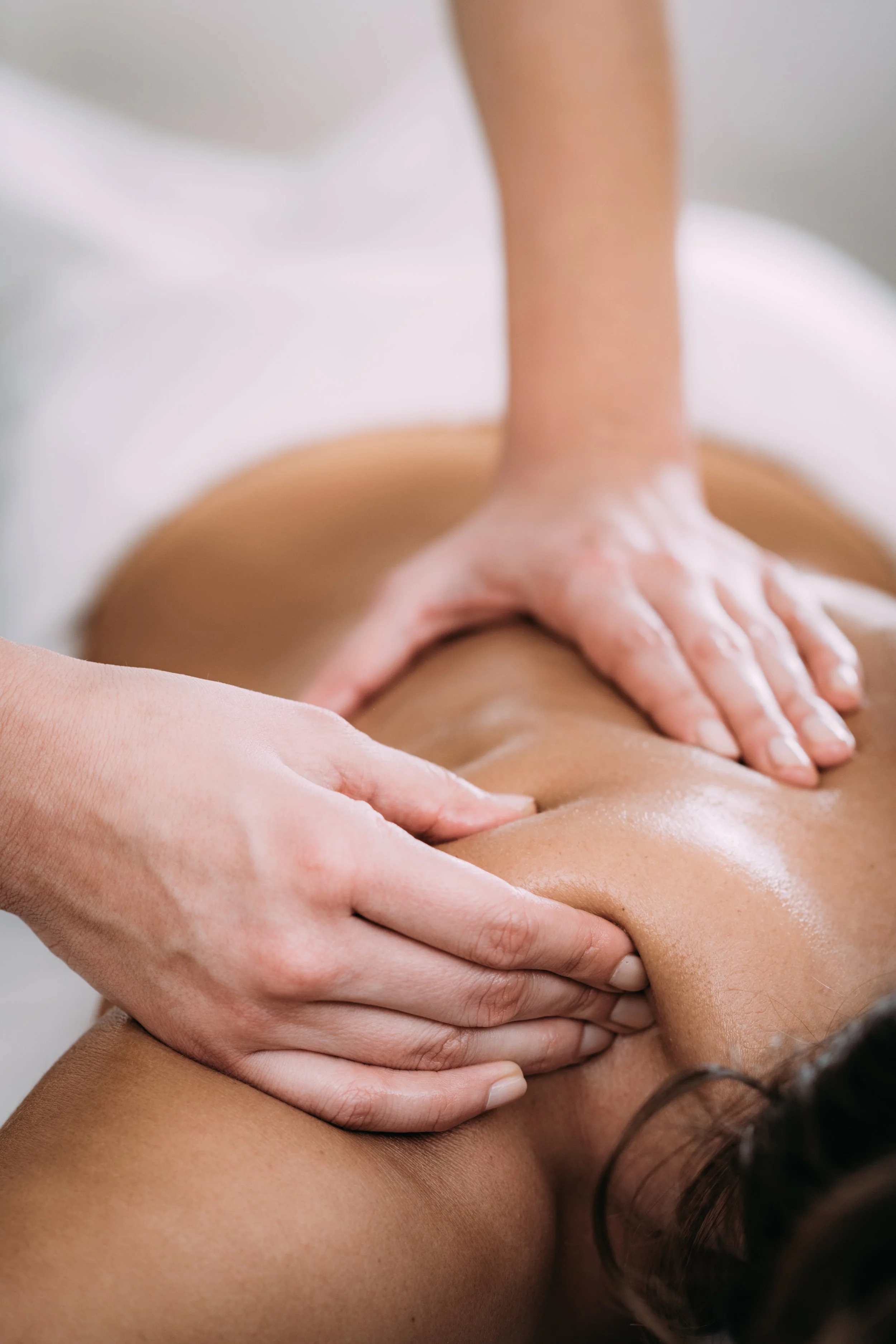
Medical Massage vs Deep Tissue Massage: What's the Difference?
"You can use as much pressure as you need. I can take it."
We appreciate the enthusiasm, but your ability to tolerate pain isn't necessarily an indication of how effective your massage will be.
When comparing medical massage vs deep tissue massage, the biggest difference isn't how much pressure the therapist applies. It's how the treatment is approached.
Medical massage is generally a goal-oriented approach to therapeutic care, while deep tissue massage refers to techniques that use focused pressure to address muscles and surrounding connective tissues.
The two aren't mutually exclusive. In fact, deep tissue techniques may be part of a medical massage session.
Understanding the distinction can help you choose an appropriate treatment, communicate your needs, and stop assuming that an effective massage has to leave you sore the next morning.

CranioSacral Therapy: What Happens During a Session?
CranioSacral therapy is a gentle, hands-on bodywork approach that uses light touch and sustained contact rather than the more familiar techniques associated with Swedish or deep tissue massage.
Some people seek it for relaxation. Others are curious about its potential effects on headaches, neck tension, stress, or chronic discomfort.
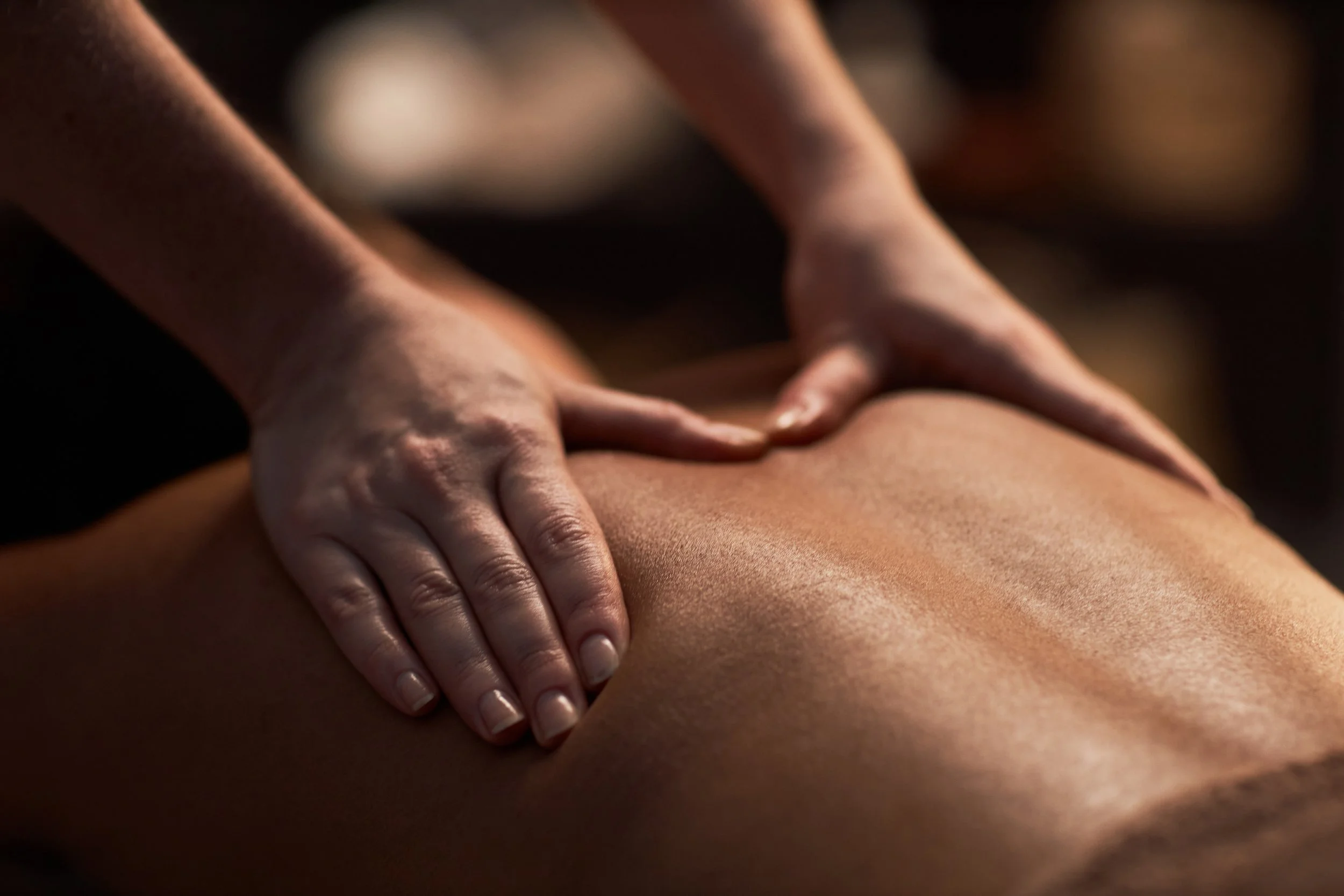
Manual Lymphatic Drainage Massage: How It Works, Benefits, and What to Expect
Manual lymphatic drainage massage is a specialized hands-on technique that uses light, rhythmic movements to encourage the movement of lymphatic fluid through the body's lymphatic vessels.
Unlike traditional massage, which often focuses on muscles and connective tissues, MLD primarily addresses the lymphatic system.
That distinction matters because lymphatic vessels and muscular tissues respond to different types of mechanical pressure.
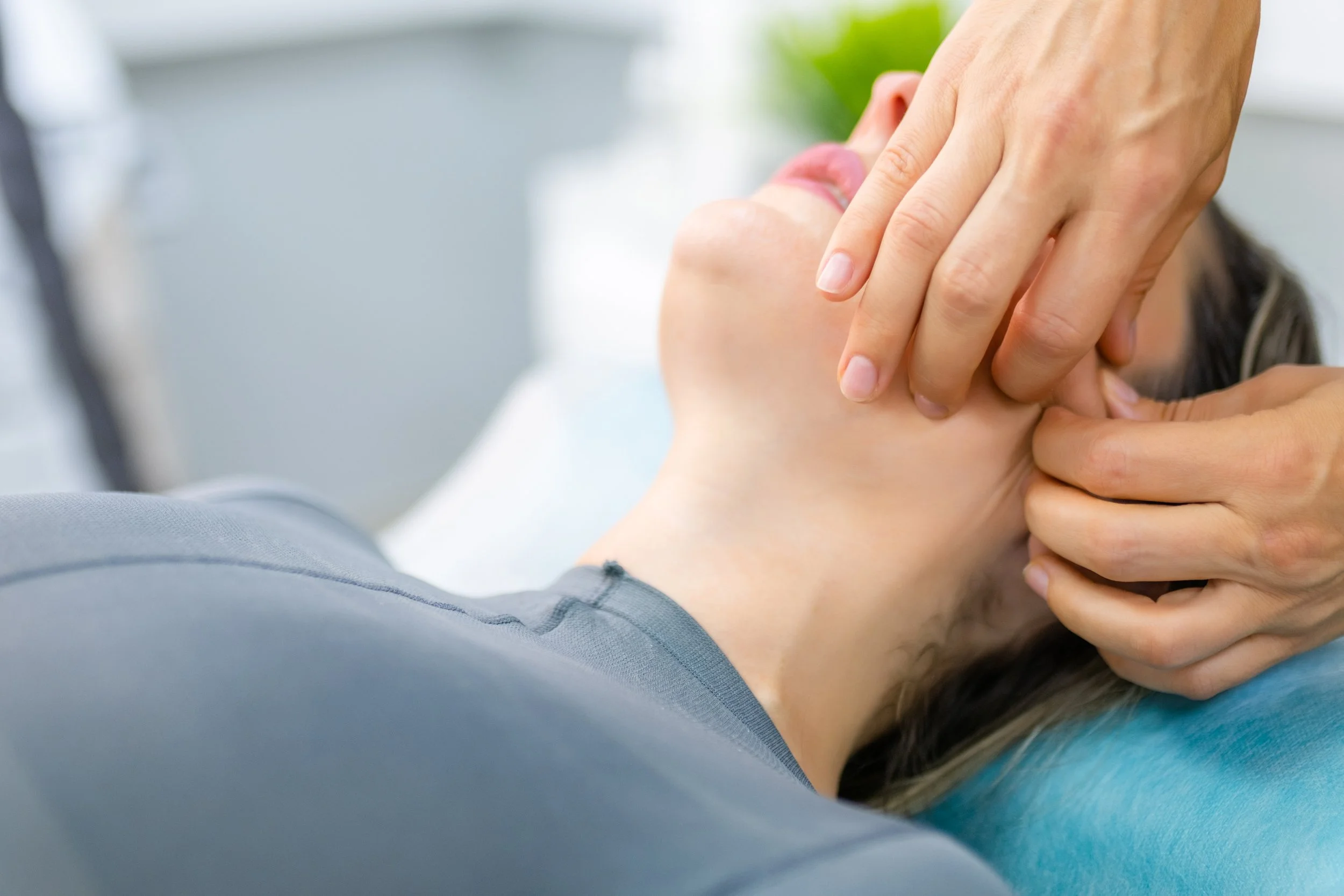
TMJ Massage: Can Massage Therapy Help Relieve Jaw Pain and Tension?
Ever catch yourself clenching your teeth while answering emails, driving through traffic, or concentrating on something that really shouldn't require that much effort?
Maybe your jaw feels tired when you wake up. Perhaps you've noticed a clicking sound when you chew, tenderness along your cheeks, or headaches that seem to settle around your temples.
Your jaw does quite a bit of work throughout the day. Between talking, chewing, swallowing, and the occasional teeth-clenching response to stress, the muscles responsible for moving it stay busy.
And like other muscles, they can become sore, sensitive, or overworked.
But jaw discomfort isn't always a simple muscle problem. Sometimes the joint itself is involved, and other times the symptoms may be related to dental concerns, inflammation, or conditions that require medical evaluation.
TMJ massage is one approach that may help manage muscular jaw tension and certain symptoms associated with temporomandibular disorders.
Understanding what massage can—and cannot—do is the first step toward deciding whether it belongs in your care plan.

Medical Massage Lake Wales: What It Is, How It Works, and Who May Benefit
Medical massage takes an individualized, goal-oriented approach to therapeutic bodywork. Rather than following a predetermined sequence of techniques, your massage therapist considers your health history, areas of concern, and treatment goals to determine which methods may be appropriate.
The objective isn't to promise a cure or convince you that every problem can be solved on a massage table. It's to provide thoughtful, skilled care that supports your comfort, movement, and overall well-being.